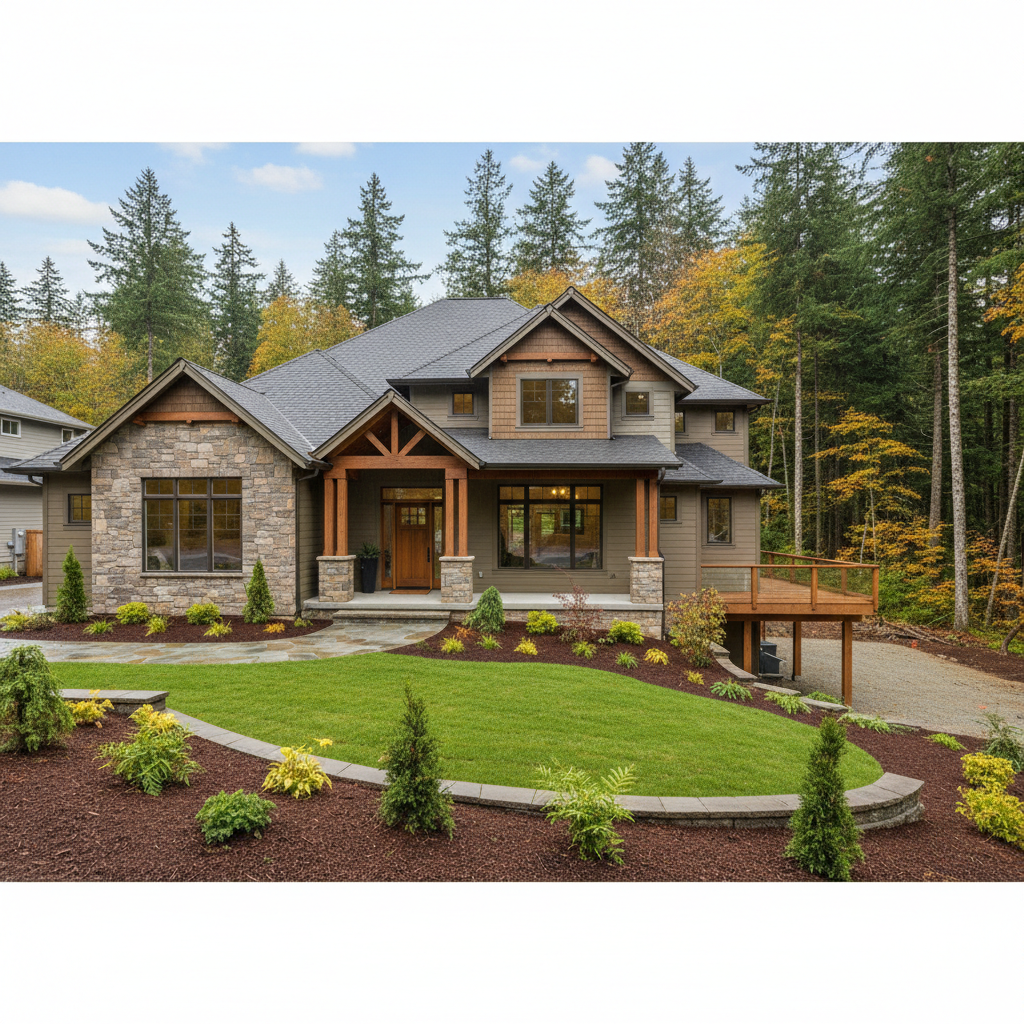
When to Break Ground: It's All About the Rain
If you're planning a custom home here in Hillsboro, one of the first things I tell folks is to think about the weather. It's not just about avoiding a little drizzle; our Pacific Northwest climate, especially the long, wet winters, can really impact your construction timeline and even the quality of the work if you're not careful. I've seen it countless times.
Ideally, you want to get your foundation and framing up during the drier months. That means aiming to break ground sometime in late spring or early summer. May, June, July, August, even early September – those are your prime months for getting the structure out of the ground and under a roof. Why? Because concrete needs time to cure properly without being saturated, and wood framing needs to stay as dry as possible to prevent mold and rot down the line. You don't want to trap moisture inside your walls before they're even closed up. It's a headache you can easily avoid with good planning.
We get a lot of rain here, especially from October through April. Trying to pour a foundation or frame a house in the middle of a heavy December rain means constant battle with water. Tarps help, sure, but they're not foolproof, and every time it rains, you're losing workdays waiting for things to dry out enough to proceed safely. This isn't just about convenience; it's about the integrity of your home. A custom home is a huge investment, and you want it built right from the ground up.
Understanding Our Weather's Impact on Construction
Our climate isn't just wet; it's also got those temperature swings. While we don't get extreme cold like some places, those damp, chilly days can slow down things like exterior painting, stucco application, or even some types of flooring installation. Materials need specific temperature and humidity ranges to perform their best. For example, trying to paint an exterior when it's too cold and damp means the paint won't cure properly, leading to peeling or cracking much sooner than it should. Nobody wants that.
The soil conditions around Hillsboro, especially in some of the older neighborhoods with more established trees, can also be a factor. We often deal with clay-heavy soils that hold water. Digging foundations in the wet season can turn a simple excavation into a muddy, slow-moving mess, requiring extra equipment and time to manage. This isn't just an inconvenience; it can add unexpected costs and delays to your project. Good site management and proper drainage during construction are crucial, and they're a lot easier to achieve when the ground isn't already saturated.
Protecting Your Investment: Year-Round Care
Once your custom home is built, the job of protecting your investment isn't over. Our climate demands ongoing attention. Here's what I recommend to all my clients:
- Gutters and Downspouts: Keep them clear. Seriously. With all our rain, clogged gutters are a fast track to water overflowing and causing damage to your siding, foundation, and landscaping. Check them twice a year, especially after the leaves fall.
- Roof Maintenance: Moss loves our damp climate. It'll grow on anything, including your roof. Get it cleaned off regularly by a professional to prevent damage to your shingles and extend your roof's lifespan.
- Exterior Painting/Sealing: Our constant moisture can be tough on exterior finishes. Keep an eye out for peeling paint or compromised caulk lines. Addressing these quickly prevents water intrusion into your walls.
- Drainage Around the Foundation: Make sure water is always draining away from your home. If you notice puddling near your foundation, you might need to adjust grading or add French drains. This is especially important in areas with that heavy clay soil I mentioned earlier.
- HVAC and Ventilation: With our humidity, good ventilation is key to preventing mold and maintaining indoor air quality. Make sure your HVAC system is serviced annually, and consider running bathroom fans for longer after showers, even if you don't think you need to.
Building a custom home is an exciting journey, and with Aim High ADU Solutions, we make sure we're thinking about these climate factors from day one. Proper planning, understanding our local conditions, and consistent maintenance will ensure your beautiful Hillsboro home stands strong and comfortable for decades to come. Don't let the weather catch you off guard; plan smart and build smart.