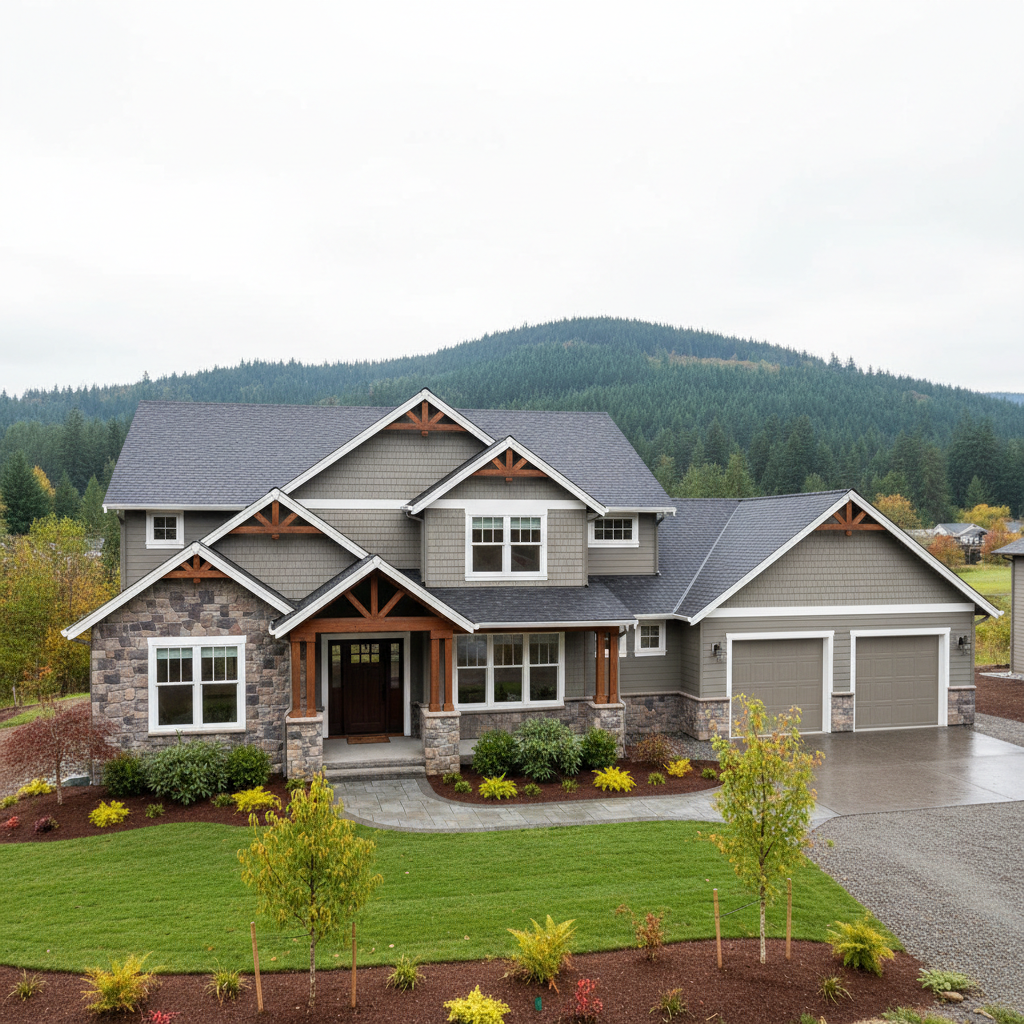
So, you're thinking about building a custom home here in Hillsboro. That's fantastic! It's a big undertaking, and one of the first things you need to wrap your head around is how our local weather impacts everything. You can't just build year-round like they do in, say, Arizona. Our climate, especially that long, wet season, dictates a lot about when certain phases of your project can happen.
Understanding Our Hillsboro Seasons
We all know what Oregon weather is like. We get those beautiful, dry summers, usually from July through September. Then it's a long stretch of rain, sometimes light drizzle, sometimes a real downpour, from October right through June. We don't get a ton of snow here in the valley, but we do get plenty of cold, wet days. This isn't just about comfort; it's about the materials, the ground, and the safety of the crew.
When to Break Ground: The Best Time to Start
If you're building from scratch, the absolute best time to break ground and pour your foundation is in the summer. Think July or August. Why? Concrete needs consistent, moderate temperatures to cure properly. Too hot, it dries too fast and cracks. Too cold, it cures too slowly and loses strength. Too wet, and you're fighting mud and potential water issues before you even get out of the ground. Getting your foundation and framing up during the dry months is crucial. It sets the stage for everything else.
I've seen projects in neighborhoods like Orenco Station where folks tried to push a fall start, and they ended up with delays just trying to dig and pour. It's not impossible, but it adds cost and stress. If you can get your shell — the foundation, framing, roof, and exterior sheathing — done before the heavy rains hit, you're golden. That means your interior work can proceed mostly protected from the elements, which is a huge advantage.
Wet Weather Challenges and Solutions
Once the roof is on and the house is 'dried in,' you've bought yourself a lot of flexibility. Interior work like plumbing, electrical, HVAC, and drywall can happen even when it's pouring outside. But even then, you've got to manage moisture. We use dehumidifiers, make sure the site stays clean, and protect materials from dampness. You don't want mold or mildew setting in before you've even moved in.
For exterior finishes, like siding or painting, you're often back to needing drier conditions. While some products are more forgiving, you generally want a good stretch of dry weather for proper adhesion and curing. This might mean pausing exterior work during the winter and picking it back up in the spring.
Protecting Your Investment Year-Round
Once your home is built, the work isn't entirely over. Our climate demands ongoing attention to protect your investment. Here are a few things I always tell clients:
- Gutters and Downspouts: Keep them clean, especially during fall and winter. Clogged gutters can lead to water overflowing and damaging siding, foundations, and landscaping.
- Drainage: Pay attention to how water flows around your house. Make sure it's directed away from the foundation. If you see pooling, address it. Sometimes a simple French drain or regrading can save you big headaches down the line.
- Roof Maintenance: Moss is a big deal here. Get your roof cleaned and treated regularly to prevent moss and algae buildup, which can shorten its lifespan.
- Exterior Caulking and Sealing: Check around windows, doors, and trim annually. Our constant wet-dry cycles can cause caulk to crack and fail, letting water in.
- HVAC Filters: Change them regularly. Our air quality can vary, and a clean filter keeps your system running efficiently and your indoor air healthier.
Building a custom home is a marathon, not a sprint. By understanding and respecting our local Hillsboro weather, you can make smarter decisions about your project timeline and protect your home for years to come. That's what we focus on at Aim High ADU Solutions, making sure every project is built right for our specific conditions.