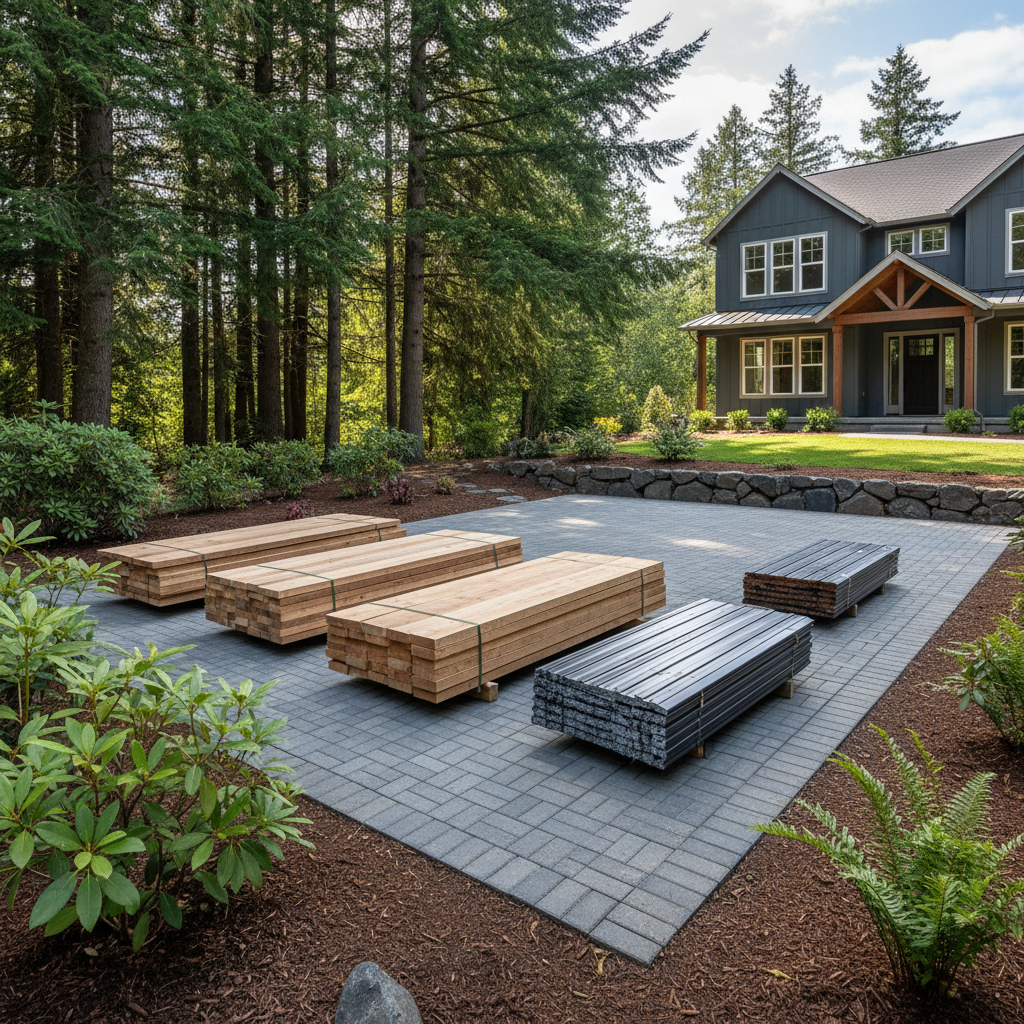
You've put good money into your Hillsboro home, whether it's a brand new build, an ADU, or a big renovation. The materials I pick for my clients at Aim High ADU Solutions are always chosen for durability, especially with our Pacific Northwest weather. But even the best materials need a little looking after, right? Think of it like this: you wouldn't buy a new car and never change the oil. Your home's materials are no different. They're designed to last, but they're not indestructible, particularly with all the rain and moisture we get here.
Extending the Life of Your Exterior Materials
Our climate in Hillsboro is pretty unique. We don't get super harsh winters with deep freezes, but we do get a lot of consistent, driving rain—especially from October through May. That constant moisture is the biggest enemy for most exterior building materials. Here's what I've seen really make a difference in extending their lifespan:
- Proper Drainage is King: This isn't just about your foundation, it's about everything. Make sure your gutters are clean and downspouts direct water well away from your house. If water is pooling around your siding or saturating the ground near your deck, you're asking for trouble. I've seen homes in older neighborhoods, especially those with mature trees, suffer from clogged gutters that turn into waterfalls, rotting fascia boards and siding in no time.
- High-Quality Paint and Sealants: Don't skimp on these. A good exterior paint job isn't just for looks; it's your first line of defense against moisture. Use a high-quality, breathable paint designed for our climate. Check the caulking around windows, doors, and trim every year. If it's cracking or peeling, reapply it. This is a cheap fix that prevents expensive water damage, believe me.
- Ventilation, Ventilation, Ventilation: This applies to attics, crawl spaces, and even wall cavities. Trapped moisture leads to rot and mold. Make sure your soffit and ridge vents aren't blocked. If you have a crawl space, ensure the vents are clear and consider a vapor barrier if you don't have one already.
- Material Choice Matters: When you're building or renovating, really think about what you're using. Fiber cement siding (like HardiePlank) is fantastic for our climate because it resists rot and pests. Pressure-treated lumber for decks and fences is a must. For roofing, architectural shingles or metal roofs hold up really well to our wet conditions.
Regular Maintenance: Your Annual Checklist
You don't need to be a construction expert to do basic maintenance. Most of this is just common sense and a little elbow grease. I'd suggest doing a thorough check-up twice a year: once in late spring after the bulk of the rain, and again in early fall before the wet season kicks in.
- Gutters and Downspouts: Clean them out. Seriously, do it. Leaves, moss, and debris will clog them, causing water to overflow and run down your siding or pool at your foundation.
- Siding and Trim: Walk around your house. Look for peeling paint, cracked caulk, or any signs of discoloration or mold. Wash your siding annually to remove dirt and mildew, which can trap moisture.
- Decks and Fences: Clean and re-seal or stain wooden decks and fences every 2-3 years, or as the product manufacturer recommends. This protects the wood from UV damage and, more importantly, moisture absorption. Check for loose boards or fasteners.
- Windows and Doors: Check seals and weatherstripping. Make sure they're still tight and not letting drafts or water in. Clean weep holes in window frames.
- Roof: From the ground, look for missing, cracked, or curled shingles. Check for moss growth, which can lift shingles and trap moisture. If you can safely access your roof, clear any debris.
Warning Signs That Something's Wrong
Sometimes, despite your best efforts, things go wrong. Knowing what to look for can save you a lot of money and headache down the road. Don't ignore these:
- Water Stains: On ceilings, walls, or around windows and doors. This is a clear sign of a leak.
- Peeling Paint or Discolored Siding: Especially if it's localized to one area. This often indicates water is getting behind the surface.
- Soft or Spongy Wood: If you can poke a screwdriver into wood trim, deck boards, or window frames easily, you've got rot.
- Musty Odors: In your basement, crawl space, or even inside your living areas. This usually means mold or mildew, which thrives in damp, dark places.
- Sagging or Uneven Surfaces: A deck board that's dipping, or a section of siding that looks warped.
- Increased Pest Activity: Carpenter ants and termites love damp, rotting wood. If you suddenly see more of them, it could be a sign of moisture damage.
When to Call a Professional
Look, I'm all for DIY, but there are times when you need to bring in someone with specialized knowledge and tools. Don't wait until a small problem becomes a huge, expensive headache.
- Persistent Leaks: If you've tried to find the source of a leak and can't, or if it keeps coming back, call a roofer or a general contractor. Water damage spreads fast.
- Extensive Rot or Mold: A small patch of mold you can clean yourself is one thing. If you've got large areas of rot, or significant mold growth, especially in structural areas, you need a professional to assess the damage and make sure it's remediated safely and effectively.
- Structural Concerns: If you see sagging roofs, bowing walls, or significant cracks in your foundation, that's way beyond DIY. Get an expert in immediately.
- Complex Exterior Repairs: Replacing large sections of siding, re-flashing windows, or major deck repairs often require specific skills and knowledge to ensure they're done correctly and will stand up to our Hillsboro weather.
- Anything You're Unsure About: If you're not confident in your ability to fix something right, it's always better to get a pro. A botched repair can often make the original problem worse and more costly to fix later.
Taking care of your home's materials isn't glamorous, but it's essential for protecting your investment. A little proactive maintenance goes a long way in keeping your Hillsboro home strong and looking good for years to come.