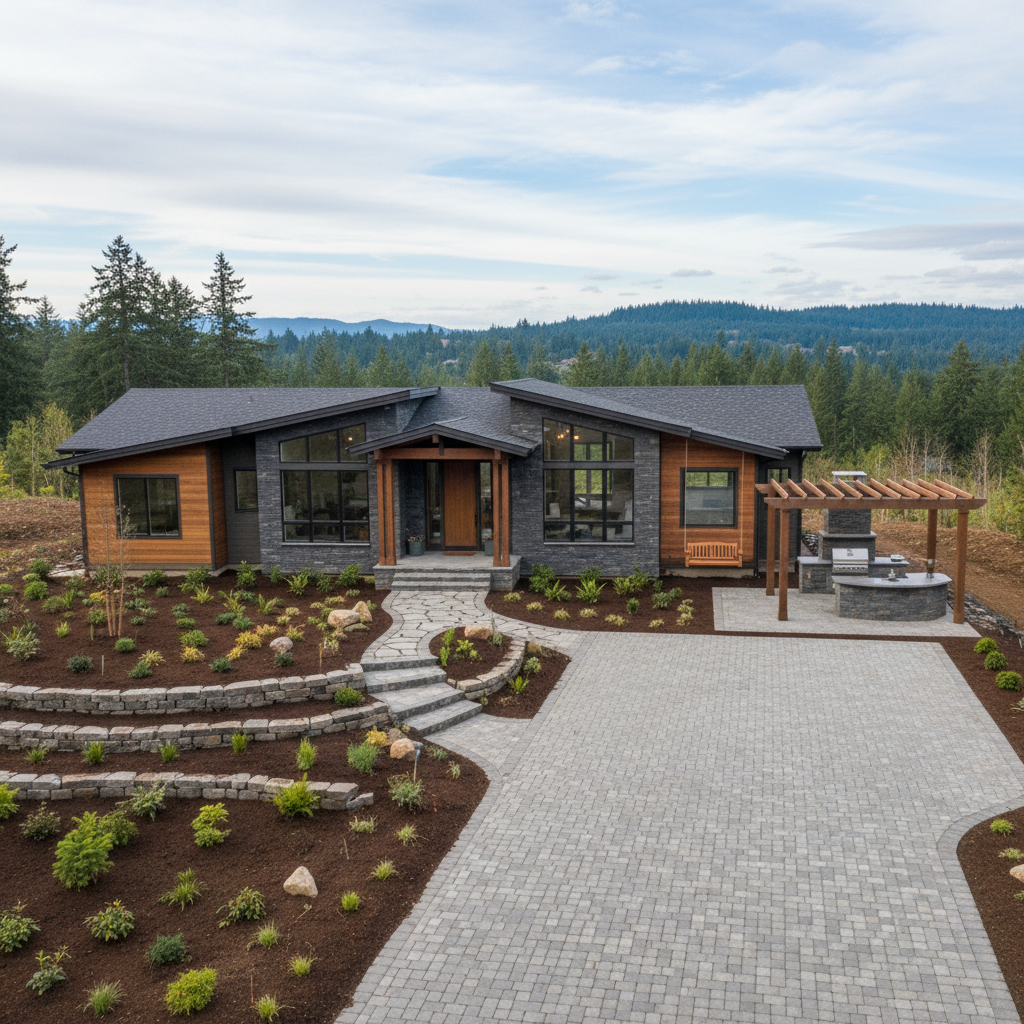
Alright, let's talk about home projects. Whether you're dreaming of an ADU, a major renovation, or even just a big addition, you're probably excited. And you should be! But that excitement can sometimes make you overlook some really critical steps, especially when you're planning things out or bringing in pros. As someone who's been building in Hillsboro for years, I've seen a few recurring mistakes that end up costing folks a lot of time, money, and headaches. Let's make sure you don't make 'em.
Mistake #1: Not Defining Your 'Why' Clearly Enough
This sounds simple, but it's huge. Before you even think about floor plans or finishes, you need to be crystal clear on why you're doing this project. Is it for more space? To increase home value? To accommodate an aging parent? To generate rental income? Your 'why' dictates everything – the size, the layout, the budget, the materials. If you're vague here, you'll end up with a design that doesn't quite fit, or worse, a project that spirals out of control because you keep changing your mind mid-build. I've seen folks start an ADU project thinking it's just for rental income, only to realize halfway through they actually wanted it for their college-bound kid to come home to. That's a completely different design brief, and changing gears then is expensive.
Mistake #2: Underestimating the Power of a Good Design & Permitting Process
Look, I get it. Design fees and permitting can feel like a big upfront cost, and some homeowners try to cut corners here. Maybe they use a sketch from a friend, or they try to manage the permitting process themselves without understanding the local Hillsboro codes. This is a massive mistake. A good architect or designer isn't just drawing pretty pictures; they're solving problems, optimizing space, ensuring structural integrity, and navigating the labyrinth of city regulations. Hillsboro has its own specific zoning and building codes, and trying to bypass proper planning is a recipe for delays, rejections, and costly rework. You might think you're saving a few grand, but you'll likely pay ten times that in change orders or fines down the line. Trust me, the time and money spent on solid plans and professional permitting guidance, especially with something like an ADU where setbacks and utility connections are critical, is an investment, not an expense.
Mistake #3: Picking a Contractor Based Solely on Price
This is probably the biggest red flag I see. You get three bids, and you automatically go with the cheapest one. I'm not saying the most expensive contractor is always the best, but the lowest bid often means corners are being cut somewhere. Maybe they're using cheaper materials, maybe they're not fully licensed and insured, or maybe they've just underestimated the job and you'll be hit with endless change orders. A reputable contractor, like us at Aim High ADU Solutions, will give you a detailed, transparent bid that accounts for quality materials, skilled labor, permits, insurance, and a fair profit. We're not just selling you a price; we're selling you peace of mind and a quality build. Ask for references, check their license with the CCB, and look at their past work. If a bid seems too good to be true, it almost always is. You want someone who communicates well, understands your vision, and has a proven track record, not just the lowest number.
Mistake #4: Not Understanding Your Soil Conditions (Especially Around Here)
This is a big one, particularly in the Pacific Northwest. We've got a lot of clay soils, especially in some of the older parts of Hillsboro or areas near wetlands. If you're planning a new foundation for an addition or an ADU, ignoring soil reports can lead to serious structural issues down the road. I've seen projects where foundations started settling because no one bothered to do proper geotechnical surveys. This isn't just a minor fix; it can be an incredibly expensive, disruptive nightmare. Your contractor or architect should be bringing this up, but it's something you, as the homeowner, should be aware of and ask about. Don't assume the ground under your house is perfect for anything you want to build on it.
Mistake #5: Not Having a Contingency Fund
Every single project, no matter how well-planned, will have unexpected moments. You open up a wall and find old knob-and-tube wiring, or a plumbing issue you didn't know existed. The price of lumber jumps unexpectedly. These things happen. If you've budgeted every last penny of your project cost, you're setting yourself up for stress and potential delays. I always recommend having a contingency fund of at least 10-15% of your total project budget. This isn't 'extra' money; it's a safety net for the inevitable unknowns. It allows you to address issues without derailing the entire project or having to compromise on critical elements. It's the difference between a smooth adjustment and a major crisis.
Planning a big home project is exciting, but it's also a serious undertaking. By avoiding these common mistakes, you'll set yourself up for a much smoother process, a better outcome, and ultimately, a home improvement you'll truly love for years to come.