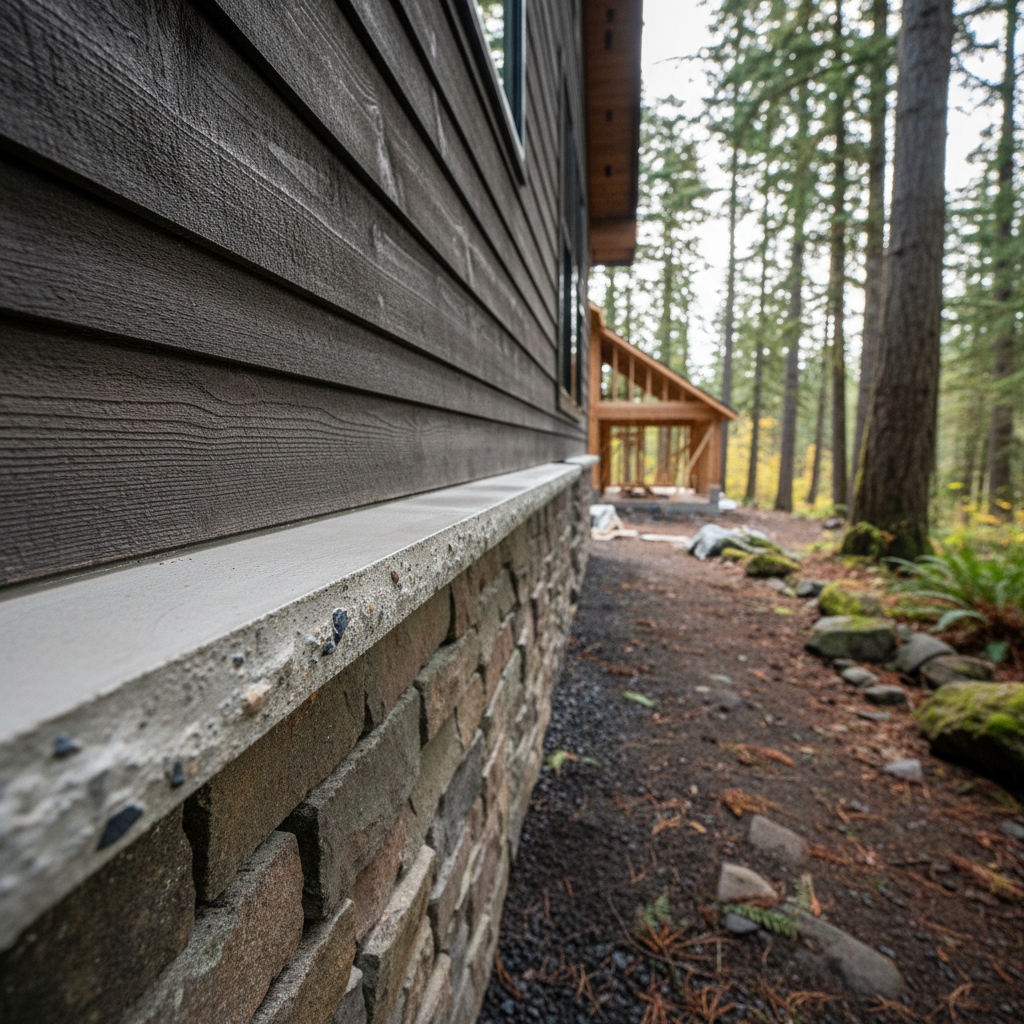
Ever wonder if your home project is really getting built to last? You should. Whether you are adding an ADU, remodeling your kitchen, or tackling a big landscaping job, quality assurance is not just for the pros. It is about making sure the work done on your home stands up to our Hillsboro weather and keeps its value. A lot of it you can do yourself, if you know what to look for.
I have seen my share of projects around here, and I can tell you that cutting corners on quality always comes back to bite you. So let us talk about how you, the homeowner, can be your own best advocate for a quality build, from the moment you dream it up to the day you are enjoying the finished product.
Before the Shovel Hits the Dirt: Planning for Quality
Quality assurance starts way before any actual construction. It is all in the planning. Think of it as setting the stage for success. You would not bake a cake without a recipe; the same goes for your house.
Your Role: The Informed Client
- Do your homework on contractors: Do not just go with the first bid. Get at least three detailed bids and compare them. Ask about their experience, who will be doing the actual work (employees or subcontractors?), and how many other jobs they will have going on. Check their license with the Oregon Construction Contractors Board and look at their complaint history. You want someone with a solid track record, not just the cheapest price.
- Get everything in writing: This is not just a suggestion; it is important. Your contract should spell out everything: materials (brand names, quantities, colors), a payment schedule tied to completed work (never pay everything upfront!), and how change orders will be handled. Make sure it includes start and completion dates, and what warranties they offer.
- Understand the plans: You do not need to be an architect, but you should know what your plans say. Walk through them with your contractor. Ask questions until you understand what is supposed to happen and where.
- Know your permits: In Hillsboro, permits are important. The City of Hillsboro has a permit portal online where you can find information on various permits required for different projects. Your contractor should be pulling the necessary permits, but you should know what they are. This makes sure the work is inspected by the city at various stages, which is a built-in layer of quality control.
When to Call a Pro (Even Before Starting)
- Soil analysis: Hillsboro sits on some pretty tenacious clay soil, especially in the Tualatin Valley. This stuff holds water very well and can cause real problems for foundations if it is not handled right. If you are doing anything with a foundation or significant excavation, a soil engineer is a must. They will tell you how to deal with our local conditions so your foundation does not crack or settle years down the line.
- Structural engineer: For any significant structural changes or new builds, a structural engineer makes sure your plans are sound and can withstand seismic activity and our wet climate. They work with your contractor to design a foundation system that accounts for soil bearing capacity and Hillsboro's rainfall patterns.
During Construction: Keeping an Eye on Things
Once the work starts, it is easy to feel like you are in the way, but you are not. You are the homeowner, and you have every right to observe and ask questions. This is where active quality assurance comes into play.
Your Role: The Diligent Observer
- Regular site visits: Pop by the job site regularly. You do not need to hover, but a quick walk-through a few times a week lets you see progress and spot anything that looks off.
- Check materials: Are the materials being used what you specified in the contract? Are they stored properly, protected from our rain? High-quality materials are important for durability, especially with our wet winters.
- Look for cleanliness and safety: A tidy job site often shows a more organized and quality-focused crew. Also, keep an eye out for basic safety. If you see obvious hazards, it might signal a contractor who cuts corners elsewhere. Oregon OSHA has even fined Hillsboro contractors for safety violations, such as not protecting workers from fall hazards.
- Understand inspection points: The City of Hillsboro requires inspections at various stages, including footing, foundation, framing, plumbing, and electrical rough-ins. Know when these are scheduled and ask your contractor about the results. These are important checkpoints where city inspectors verify compliance with codes.
- Document everything: Take photos and videos at different stages. Keep a log of conversations, decisions, and any issues you notice. This is not about being a detective; it is about having a clear record.
When to Call a Pro (During the Build)
- Third-party inspections: While city inspections are good, they are not complete. Consider hiring an independent inspector for key phases like foundation, framing, and pre-drywall. They can catch things city inspectors might miss or that are not strictly code violations but are still poor quality. For example, new construction in South Hillsboro often has grading and drainage issues, HVAC ductwork defects, or improper window flashing that a good inspector can spot.
- Specific trade experts: If you have concerns about a particular aspect, such as the electrical work or the HVAC system, and your contractor is not addressing them to your satisfaction, bring in an independent expert in that trade for an opinion.
After Completion: The Final Check and Beyond
The project is done, you have got the keys, but quality assurance is not over yet. This is about making sure everything holds up and addressing any last-minute issues.
Your Role: The Thorough Reviewer
- The final walkthrough (the "punch list"): This is your last chance to identify anything that is not right. Walk through every room, test every light switch, open every window, and flush every toilet. Make a detailed list of anything that needs fixing or finishing – this is your punch list. Do not make the final payment until these items are addressed.
- Understand your warranty: Your contract should include warranties for workmanship and materials. Know what is covered and for how long. Some builders offer a two-year "in the walls" warranty, which is good.
- Monitor for initial issues: Over the first few weeks and months, pay attention. Are there any leaks? Are things settling oddly? Do doors stick? Catching these early makes them easier to fix under warranty.
When to Call a Pro (After Completion)
- 11-month warranty inspection: This is an important one, especially if you bought new construction. Many builders offer a one-year warranty. Before that year is up, hire an independent home inspector to do a thorough inspection. They will find issues that have developed over the first year, such as grading problems causing water to pool near the foundation, or insulation deficiencies. This report gives you leverage to get the builder to fix things before the warranty expires.
- Specialized testing: If you have concerns about things like radon (which can vary significantly in Hillsboro based on soil conditions and foundation type) or air quality, now is the time for specialized testing.
Building or renovating a home is a huge investment, especially here in Hillsboro where our unique climate and clay soils demand extra attention to detail. By taking an active role in quality assurance, you are not just protecting your investment; you are making sure your home is safe, durable, and exactly what you envisioned. Do not be afraid to ask questions, verify details, and bring in experts when you need them. It is your home, and you deserve a quality build. That is what we aim for at Aim High ADU Solutions, and it is what you should expect from anyone working on your property.