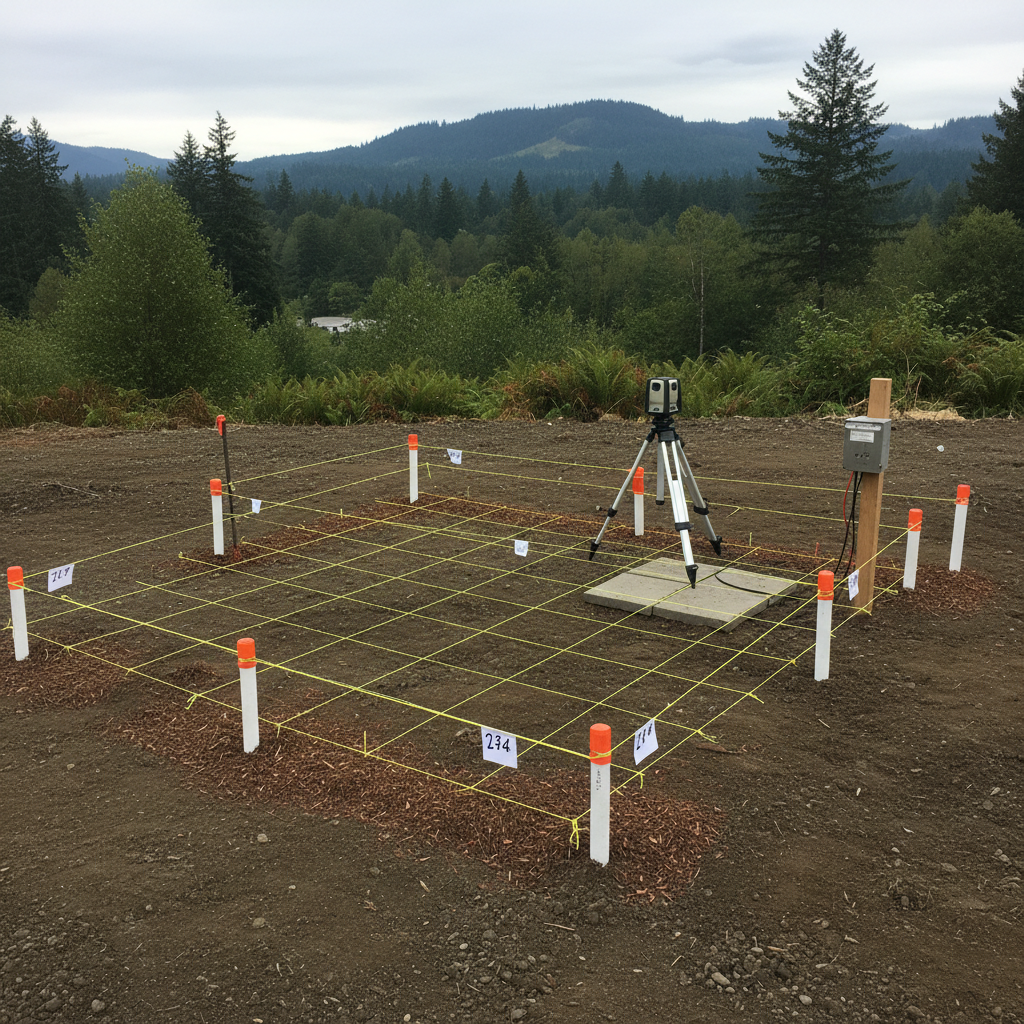
Any construction project, whether it's a brand new house or an ADU, really begins long before anyone ever sees a shovel hit the dirt. It all starts with the land itself – what's already there, what's hiding underneath, and what the city will actually let you build. This is your site selection and analysis phase, and frankly, this is where I see some of the biggest, most expensive mistakes pop up.
You might think it's just about finding a piece of land you like, but trust me, there's a lot more to it. Skipping steps at this stage can lead to massive headaches, budget overruns, or even a project that never gets off the ground. Let's talk about the common traps I've seen Hillsboro homeowners fall into.
Ignoring Zoning and Permitting from Day One
This is probably the biggest mistake folks make. They find a property, totally fall in love with it, and then only after they've bought it or committed to a design do they bother to check what's actually allowed. Every single property in Hillsboro has specific zoning rules. These rules dictate everything: how big you can build, how close to your property lines, how tall your structure can be, what kind of uses are permitted (residential, commercial, mixed), and even how much hard surface you can have. You might have grand plans for a detached ADU, but if the zoning doesn't allow it, or if your lot size is too small, well, you're stuck.
You absolutely have to check with the City of Hillsboro's Planning Department early on. Don't just assume things. Get copies of the zoning code, look at your specific parcel, and understand the setbacks, height limits, and any special overlays – like flood plains or environmental zones. It's not exactly thrilling reading, I know, but it will save you a fortune in redesigns or, even worse, a property you can't build on the way you envisioned.
Underestimating Geotechnical and Environmental Factors
Hillsboro has some pretty interesting soil conditions, especially in areas that used to be farmland or near our waterways. We've got everything from dense clays to silty loams. What's under the surface directly impacts your foundation design, how water drains, and the overall stability of your site. I've seen projects get held up because a homeowner didn't get a proper geotechnical report until late in the game, only to discover they needed expensive deep foundations or extensive soil remediation. Ouch!
Similarly, environmental factors are a huge deal. Are there wetlands? Steep slopes? Protected trees? Old septic systems that need to be decommissioned? These aren't just minor details; they can trigger additional studies, permits, and significant construction costs. A good site analysis includes a thorough look at these elements. Don't skimp on a geo-tech report; it's an investment, not just another bill.
Not Considering Utilities and Infrastructure Access
You'll need power, water, sewer, and maybe gas and internet. Seems obvious, right? But the cost and feasibility of bringing those utilities to your specific building site can vary wildly. Is there a sewer line nearby, or will you need to install a pump station or a long lateral? Is the existing electrical service big enough for your new structure, or do you need a costly service upgrade? What about stormwater management? Hillsboro has strict rules for managing runoff, and if you're building on a property that doesn't drain well, you'll need to factor in swales, rain gardens, or other solutions.
I've seen homeowners buy a seemingly perfect rural lot only to find out the cost to bring in all the necessary utilities makes the project financially impossible. Get utility maps, talk to the various providers, and understand the connection fees and infrastructure requirements upfront.
Hiring the Wrong 'Expert' (or No Expert at All)
Some folks try to do all this analysis themselves, or they rely only on a real estate agent who might not have the deep construction knowledge required. Others hire someone who claims to be an expert but doesn't have local experience. You need someone who truly understands Hillsboro's specific codes, geology, and permitting processes. A general contractor like Aim High ADU Solutions, or a specialized site civil engineer, can be incredibly valuable here.
We know the questions to ask, which departments to call, and what reports to commission. We can spot red flags that an untrained eye would totally miss. Trying to save a few bucks by skipping professional site analysis almost always ends up costing you more in the long run. It's like trying to navigate a dense forest without a compass – you'll eventually get lost, and it'll take a lot more effort to find your way out, won't it?
Ignoring the Neighboring Properties and Context
While your focus is on your property, what's around it absolutely matters. Are there tall trees on a neighbor's property that will shade your solar panels or block your views? Is there a noisy commercial business next door? What about easements or shared driveways? Understanding the context of your site helps you design a project that fits in, avoids future disputes, and maximizes your property's potential.
A thorough site analysis isn't just about the dirt under your feet; it's about the entire environment your project will live in. Take the time, ask the right questions, and get the right people involved. It'll make all the difference in having a smooth, successful project, and avoiding regret down the line.