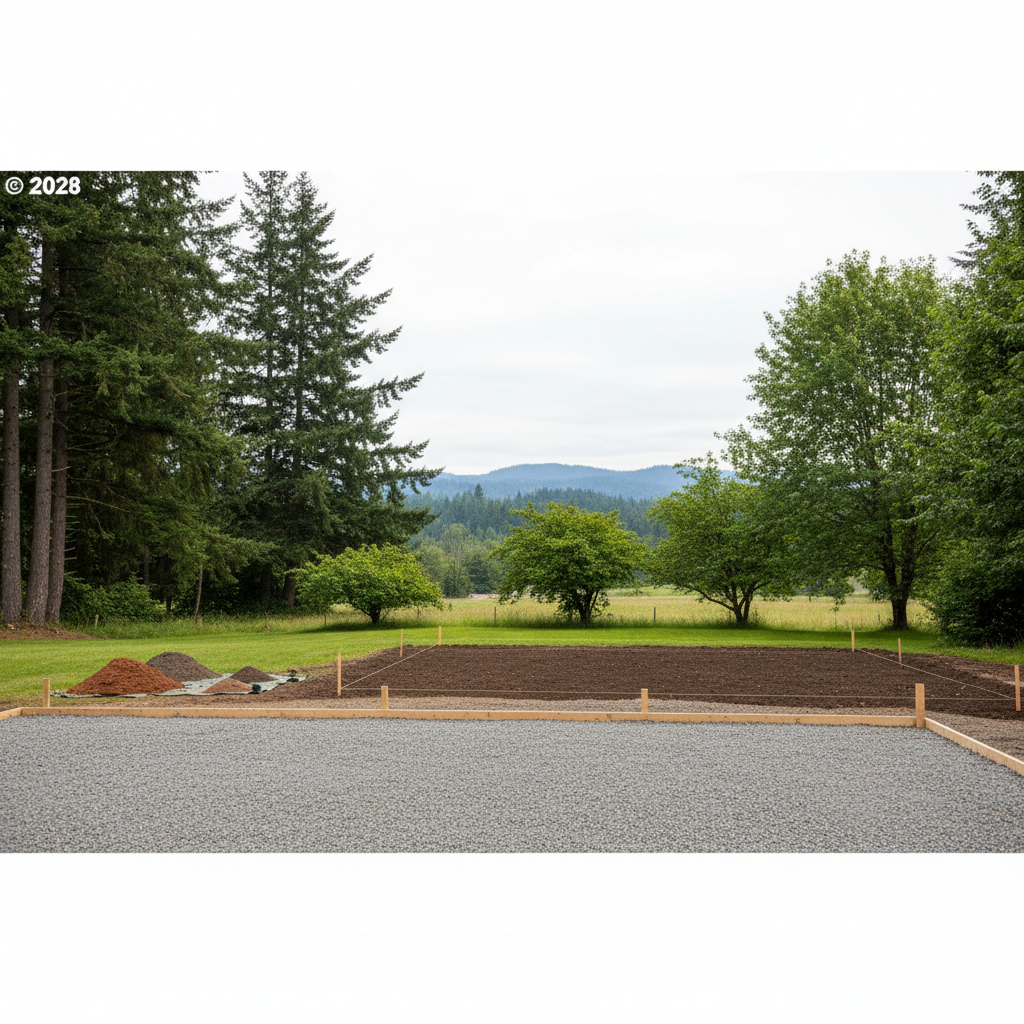
You picked a great spot for your new ADU or home addition, maybe even worked with us at Aim High ADU Solutions to get it just right. But the work doesn't stop once the concrete's poured and the framing's up. The ground your structure sits on, and everything around it, needs ongoing attention, especially with our unique Oregon climate. Ignoring it can lead to big headaches and even bigger bills down the road. Let's talk about how to keep your site healthy for the long haul.
Extending the Life of Your Site Work
When we talk about 'site work,' we're really talking about everything that supports your building – the grading, drainage, landscaping, and even the soil itself. The goal is to make sure water moves away from your foundation and that the ground stays stable. Here's what I've seen makes the biggest difference:
- Proper Drainage is King: This is non-negotiable in Hillsboro. Our rainy season, which can feel like it lasts from October to June, means you need to control water. Make sure your gutters are clean and extend at least 5-6 feet away from the foundation. Check your downspouts regularly. If you have French drains or catch basins, keep them clear of leaves and debris. A clogged drain is an invitation for water to pool where you don't want it.
- Maintain Grading: The ground around your foundation should always slope away from the building. Over time, soil can settle, or landscaping changes can alter this. Walk around your property after a heavy rain. Do you see puddles forming right next to your foundation? That's a red flag. You might need to add soil to re-establish a positive grade.
- Smart Landscaping: Planting the right things in the right places helps. Deep-rooted plants can stabilize soil on slopes. But be careful with large trees or shrubs too close to your foundation; their roots can sometimes cause issues. Keep an eye on irrigation systems too – you don't want sprinklers constantly drenching your foundation walls.
What Regular Maintenance Looks Like
This isn't rocket science, but it does take consistency. Think of it like changing the oil in your car.
- Seasonal Checks: I tell folks to do a thorough check-up twice a year. Once in the fall, before the heavy rains hit, and again in the spring, after the worst of winter is over. Clear gutters, check downspouts, look for erosion, and make sure all your drainage systems are clear.
- Keep an Eye on Vegetation: Trim back bushes and trees that are growing too close to your building. Not only can they scratch siding or block light, but their roots can be problematic, and they can hold moisture against your walls, which isn't good.
- Monitor Soil Moisture: Especially if you have clay soils, common in parts of Hillsboro like the older neighborhoods near downtown, extreme changes in soil moisture can cause it to swell and shrink. Consistent, moderate moisture is better than bone dry followed by soaking wet.
Warning Signs of Problems
You don't need to be a geotechnical engineer to spot trouble. Just pay attention to these things:
- Cracks in Your Foundation or Walls: Small hairline cracks might be normal, but if they're getting wider, longer, or if you see stepped cracks in brick or block, that's a serious sign of foundation movement.
- Sticking Doors or Windows: If doors or windows that used to open and close easily start to stick, or if you see gaps forming around their frames, it could indicate that your house is settling unevenly.
- Pooling Water: Any standing water near your foundation, especially after rain, is a problem. It means your grading or drainage isn't doing its job.
- Damp or Musty Basements/Crawlspaces: This is a classic sign of water intrusion. You might not see the water, but you'll smell it, or see efflorescence (white powdery deposits) on concrete walls.
- Sagging Floors or Uneven Surfaces: If your floors feel bouncy or you notice a distinct slope, it's definitely time for a closer look.
When to Call a Professional
Look, some things you can handle yourself, like cleaning gutters. But if you're seeing any of those warning signs I just mentioned, or if you're just not sure what's going on, don't hesitate to call in a pro. It's always cheaper to fix a small problem early than to wait until it becomes a major structural issue.
For drainage issues, you might need a landscape contractor or a specialist in foundation repair. If you suspect foundation movement, a structural engineer is the person to call first. They can assess the situation and recommend the right course of action. Don't just call the first company you see online; get a few opinions, and make sure they're licensed and insured. We've seen too many homeowners try to DIY a complex drainage or foundation problem only to make it worse. Your property is a huge investment; protecting its foundation is paramount. A little vigilance goes a long way in keeping your Hillsboro home standing strong for decades.